

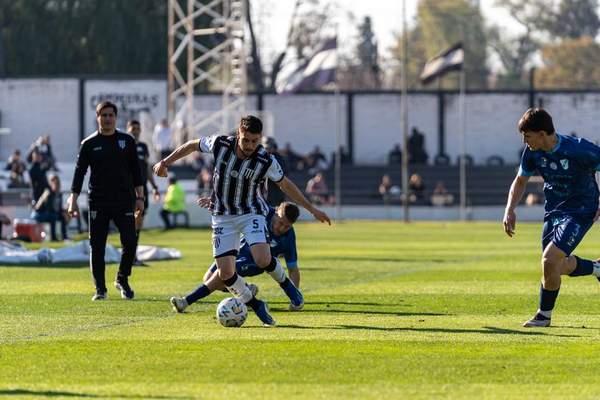
The 3-5-2 soccer formation looks straightforward on a team sheet: three defenders, five midfielders, and two strikers. On the field, its success depends on constant adjustments. Three center backs anchor the defense, three central midfielders connect play, and two wingbacks provide width. Those wingbacks are the system’s moving parts, turning a compact defensive setup into a much wider attack.
What the 3-5-2 shape actually means
The three defenders are center backs, with one central organizer and two outside defenders. The midfield five consists of three central players and two wingbacks, while a strike partnership stays ahead of them. The goalkeeper is not included in the formation numbers.
There is no permanent line of five across midfield. During attacks, wingbacks can advance to stretch the opposition. When defending deeper, they drop alongside the center backs to create a 5-3-2. The key is how smoothly the team moves between these positions.
Why wingbacks carry so much responsibility
A traditional winger primarily threatens the opposition’s defense; a fullback usually starts behind the ball. In this wingback formation, the two wide players must combine both jobs. They receive near the touchline, create crossing opportunities, track opposing wide players, and recover after turnovers.
Timing the runs
The ball-side wingback can move high when a center back or midfielder has secure possession and a clear passing angle. The far-side wingback may stay slightly deeper to provide balance, or attack the far post when the move reaches the final third. Sending both forward without cover leaves large gaps behind them.
Coaches should give wingbacks simple triggers: advance when there is supporting cover; retreat when possession becomes uncertain. Fitness matters, but reading the situation matters just as much.
Responsibilities of the three center backs
The middle defender organizes spacing and provides cover. The two outside center backs defend the channels between the middle and the touchlines. If an opposing winger runs behind a wingback, the nearest outside defender can step across while the other two narrow their positions.
Those same defenders can help build attacks. Spreading across the first line creates passing angles for the goalkeeper. Against two pressing strikers, three center backs can provide a spare player; against a front three, the numbers may be even. When an outside center back carries forward, opponents must decide whether to press him and expose space behind them.
How the midfield creates central advantages
Many teams arrange the midfield trio with one holding player and two more advanced midfielders. The holder protects the space ahead of the back three and offers a safe passing outlet. The two teammates can stagger their positions, with one showing toward possession and the other moving between opposing lines.
These 3-5-2 tactics can generate midfield overloads against a team using two central midfielders. However, three against two on paper does not guarantee control. A 4-3-3 can match the central trio, and a 4-2-3-1 can bring its attacking midfielder inside. Movement, passing angles, and defensive pressure determine whether the numerical edge counts.
The contrast with the 4-3-3 soccer formation is useful: that system often places specialist attackers wide, while the 3-5-2 gives the wingbacks the responsibility for most of the width.
Building attacks through the middle and outside
A common buildup pattern starts with the goalkeeper or central defender playing into the holding midfielder. If an opponent presses inward, the ball can be moved quickly to an outside center back, then forward to the wingback. The midfield draws pressure toward the center before releasing a player into space outside.
The front two should rarely copy each other’s movements. One striker can drop to receive between the lines while the other runs behind. That combination creates space for a midfielder to arrive late, or gives the ball carrier an option for a forward pass.
Predictability is dangerous. If a wingback is trapped against the touchline, forcing a pass there can lead to a turnover. Recycling through the back three and switching sides may be safer. This is one reason soccer buildup patterns are worth studying alongside formation diagrams.
Defensive coverage in a 5-3-2
Without possession, the wingbacks usually retreat to make a back five. The central midfielders stay compact and screen passes through the middle. Two strikers can help direct the opposition’s buildup toward one side rather than simply waiting upfield.
When the opponent receives out wide, the nearest wingback steps toward the ball. The outside center back covers the space behind, and a nearby midfielder slides across to block the pass inside. If only the defender shifts and the midfield does not follow, an opponent can exploit the gap between them.
A back five can defend deeply, but it does not have to. Teams can also press higher when the wingbacks are positioned to engage opposing fullbacks and the center backs are ready to cover.
Where the 3-5-2 struggles
The biggest weakness is often the space behind advanced wingbacks. After losing the ball, a team may have three center backs facing fast opponents attacking the flanks. Quick diagonal balls and switches of play can drag the outside defenders away from the middle.
Another problem arises when opponents pin the wingbacks deep. The shape can become a passive 5-3-2 with isolated strikers and few attacking outlets. A holding midfielder who protects counters, disciplined recovery runs, and carefully chosen moments to advance can reduce these problems. Good wingbacks alone cannot solve poor collective spacing.
A match situation worth practicing
Picture a 3-5-2 facing a 4-4-2 press. Three center backs circulate possession against two forwards. As one opposing midfielder steps forward to close the holding midfielder, an advanced midfielder moves into the vacated pocket. A pass into that pocket draws the opposing fullback inward, freeing a wingback near the sideline.
Now imagine the wingback loses possession. The nearest outside center back delays the runner, the holding midfielder blocks the inside passing lane, and the wingback recovers. Rehearsing both halves of this move teaches more than practicing attacks alone. The same principle underpins effective defensive transitions in soccer.
Frequently asked questions
Is the 3-5-2 soccer formation defensive?
Not necessarily. High wingbacks and aggressive midfield runs can make it attacking, while a deeper 5-3-2 can protect a lead. Team instructions determine the balance.
Why play with two strikers?
Two forwards can combine, occupy opposing center backs, and offer contrasting movements. One may drop short while the other threatens space behind the defense.
What is the main risk for wingbacks?
They can be caught too high after a turnover, exposing the channels beside the center backs. Teammates must provide cover while they recover.
Does the 3-5-2 always win midfield?
No. It can outnumber a central pair, but opponents may match the numbers or shift players inside. A numerical advantage matters only if the team can use it.
Putting the system together
The 3-5-2 soccer formation works when its parts move as a unit. Wingbacks provide width without abandoning defensive responsibilities, the midfield trio controls central spaces, and the three center backs support both circulation and recovery. Coach those relationships, and the system becomes flexible rather than fragile.