

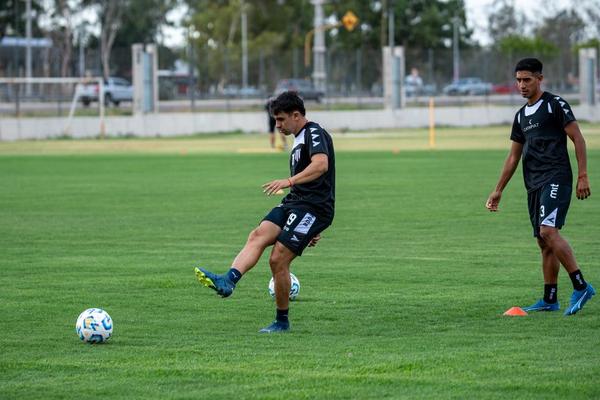
A good pass is more than getting the ball from one player to another. It depends on scanning, body shape, weight of pass, timing, and what happens immediately afterward. The most useful soccer passing drills train those details together so players learn to keep possession, support teammates, and move the ball quickly under pressure.
Passing practice should therefore include both technique and movement. Players need to know how to strike the ball cleanly, but they also need to create angles, receive on the correct foot, and move again after releasing it. That is where simple soccer passing exercises become habits that transfer into real matches.
Build the Technique Before Adding Pressure
For short and medium passes, the inside of the foot is usually the most reliable surface. The standing foot should be placed beside the ball, the ankle should be firm, and the follow-through should point toward the target. Encourage players to pass to a teammate’s usable foot rather than simply aiming at the center of the body.
Receiving technique matters just as much. When possible, players should open their body, scan before the ball arrives, and take the first touch into space. A useful coaching cue is: check your shoulder, show an angle, receive, pass, move. Repeating that sequence throughout training keeps attention on the complete action rather than the pass alone.
Wall Passing for Individual Accuracy
A wall provides one of the easiest ways to train passing alone. Mark a target, stand several yards away, and pass with the inside of the foot. Control the rebound with the opposite foot, then return the ball. Alternate feet so both sides receive equal work.
Once the basic rhythm is comfortable, add movement. After each pass, take one or two steps sideways before receiving the return. This forces the player to adjust the body and feet instead of standing in the same position. For a greater challenge, use two touches, then one touch when the rebound angle allows it.
Gate Passing for Weight and Direction
Place two cones one to two yards apart to make a gate. Two players stand on opposite sides and pass through it. The goal is not merely to get the ball between the cones; the pass should arrive at a pace that lets the receiver control it without reaching, stopping, or chasing.
Move the players farther apart as accuracy improves. Another useful variation is to require the first touch to travel to one side before the return pass goes back through the gate. This teaches players to use the first touch to prepare the next action. Narrower gates sharpen precision, while greater distance tests pass weight.
Triangle Passing and Moving Drills
Set three players at the corners of a triangle. One player passes to the next corner and then follows the pass. The receiver checks toward the ball, controls it, and plays to the third player before moving on. The constant rotation makes this one of the most effective passing and moving drills for teaching support after the ball is released.
Do not let players simply jog behind their own pass. Ask them to arrive at a useful angle for the next phase. Progress the drill by changing direction, limiting players to two touches, or allowing one-touch passes when the ball speed and angle are suitable.
Third-Man Combination Play
Three-player combinations introduce timing and movement between teammates. Player A passes into Player B, who lays the ball off to Player C. Player C then plays forward or restarts the pattern from the opposite side. The important detail is that Player C begins moving as the first pass travels, not after Player B receives it.
This creates the rhythm seen in effective combination play drills: one player attracts the ball, another supports, and a third arrives into useful space. It also teaches players that a short layoff can be more effective than turning with the ball. As the group improves, add a passive defender and then active pressure.
Rondos for Passing Under Pressure
Rondos turn passing technique into decision-making. A simple version uses four or five players around the outside of a small area with one defender inside. The outside players keep possession while the defender tries to intercept or force a mistake.
The key lesson is support angle. Players without the ball should keep adjusting so the passer has more than one option. If two teammates stand in the same passing lane, one defender can block both. Encourage the group to move as the ball moves rather than waiting for it to arrive before reacting.
For example, if the defender closes the player in one corner, the nearest teammate can move wider while another drops slightly deeper. Those small movements create two different passing lanes. That is the kind of off-ball detail that makes team passing drills useful rather than simply fast.
How to Progress Passing Practice
A useful progression is accuracy first, speed second, pressure third. Begin with enough touches for players to understand the movement. Then reduce touches, increase tempo, add passive pressure, and finally introduce active defenders. If quality collapses, make the task simpler again rather than accepting rushed technique.
Players should also learn that not every pass needs the same pace. A short layoff may require a softer touch, while a pass across a larger gap may need to be firm enough to beat pressure. Varying distance, angle, and defensive pressure teaches players to choose the right solution instead of repeating one mechanical action.
FAQ
How often should players practice soccer passing drills?
Passing can be included several times per week in warm-ups, technical sessions, and small-sided games. Short, focused practice with good concentration is usually more valuable than a long session in which technique becomes careless.
Are one-touch or two-touch passing drills better?
Both are useful. Two-touch work develops receiving technique and body shape, while one-touch passing improves timing and quick combinations. One-touch play should be used when the ball speed and angle make it realistic.
How can beginners improve passing accuracy?
Start at short distance with clear targets and a consistent inside-foot technique. Wall work and gate passing provide plenty of repetition. Increase the distance only after the player can control both the direction and weight of the pass.
What makes a passing drill more game-like?
Pressure, choices, movement, and direction make a drill more representative of a match. Players should have to scan, react to defenders, choose between options, and move after the pass rather than follow a fixed pattern every time.
Make the Next Movement Part of Every Pass
The best passing sessions connect clean technique with quick support. Accuracy matters, but so do the scan before receiving, the first touch that prepares the next action, and the movement after the ball leaves the foot. Start with controlled practice, then add speed, choice, and pressure while keeping those details intact. When players learn to pass and immediately create the next angle, possession becomes quicker, cleaner, and much harder to defend.