

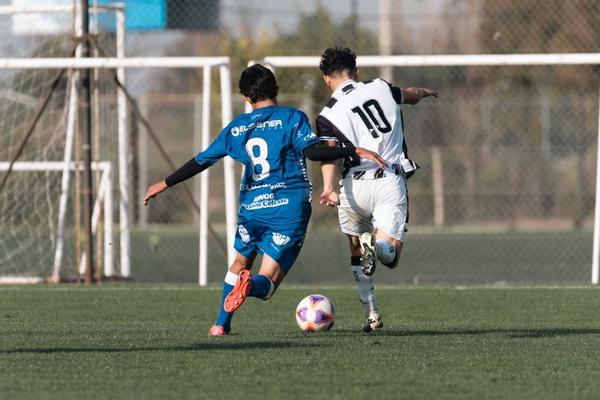
Keeping the ball is easy to admire and surprisingly hard to organize. A team can complete dozens of safe passes without moving an opponent or creating a chance. Effective possession based soccer tactics have a different aim: use the ball to control space, invite pressure, and recognize the moment to advance.
That approach connects formations with decisions. The formation provides starting reference points; spacing, passing angles, and coordinated movement make those positions useful once play begins. Good possession soccer is not a promise to avoid every long pass. It is a method for choosing when to circulate, when to penetrate, and how to stay protected if possession is lost.
Control Means Changing the Defenders’ Decisions
Possession becomes productive when a pass forces defenders to shift, follow a runner, or leave a lane unguarded. Moving the ball from one center-back to the other may appear harmless, but it can pull the opponent’s first pressing line across the field. The next pass might then find a full-back or midfielder facing forward.
Build a Shape With Different Lines and Heights
A reliable buildup structure puts players at varied depths rather than crowding one horizontal line. Against two pressing forwards, two center-backs and a dropping midfielder may create a three-player first line. Elsewhere, a goalkeeper’s involvement can provide the extra passing option instead.
In a 4-3-3, one full-back might move inside beside the holding midfielder while the other stays wider. This changes the team’s shape in possession without requiring a formal formation switch. What matters is that the receiver has support behind, beside, and ahead.
Keep the Next Pass Visible
Players should scan before receiving and open their body toward the field whenever pressure allows. A midfielder standing directly behind an opponent is technically nearby but may not be available. Moving a few steps diagonally can open a passing lane and make a forward-facing first touch possible.
Why Passing Triangles Work
Passing triangles offer the ball carrier two options at different angles. If one route closes, another can remain open. A triangle between center-back, full-back, and midfielder also lets the team play around a pressing opponent without relying on a risky dribble.
A useful coaching cue is to move as the pass travels. Supporting players should adjust their angles before the receiver takes a touch, rather than waiting until that player is trapped. For more on these connections, explore passing patterns in soccer.
Use Width, Depth, and Rotations Together
Width stretches the defending block horizontally. A winger holding the touchline can pin the opposing full-back and preserve room in the half-space, the channel between the center and flank. Depth matters just as much: a forward threatening the space behind defenders discourages them from stepping aggressively into midfield.
Positional play organizes those spaces while permitting movement between them. If a winger comes inside, a full-back may overlap into the vacated wide lane. If a midfielder drops toward the ball, a teammate can move higher to keep an option between the lines.
Rotations should exchange responsibilities, not simply send several players toward the ball. When two teammates occupy the same lane at the same height, they often make marking easier. The same spacing principles apply across different attacking soccer formations.
Change Tempo to Create the Opening
Patient circulation and quick attacks are partners, not opposites. Several measured passes may encourage defenders to slide toward one side. A sharp diagonal switch can then reach the opposite flank before the block recovers.
When a midfielder receives between the lines with space to turn, the tempo should usually rise. An immediate pass, carry, or combination can exploit the temporary advantage. Continuing to recycle the ball at that moment may allow defenders to reorganize.
A Practical Example: Escaping a Wide Press
Imagine a 4-3-3 team building down its right side. The right center-back has the ball. An opposing winger presses from outside, the striker blocks the holding midfielder, and an opposition midfielder approaches the right full-back. Passing straight down the touchline looks tempting but risks a trap.
Instead, the center-back returns the ball to the goalkeeper. While the press follows, the holding midfielder moves slightly left and a central midfielder drops into the newly opened angle. The goalkeeper passes to the left center-back, who finds that midfielder with an open body shape. One forward pass then reaches the left winger beyond the shifting press.
Protect the Team While Attacking
Possession is also a defensive arrangement. If both full-backs advance and every midfielder runs beyond the ball, a turnover can expose the center-backs to a direct counterattack. Coaches call the supporting positions left behind the attack the rest defense.
One common solution is to retain two or three players behind the ball with another midfielder positioned to challenge the first counterattacking pass. The correct balance depends on opponent threats and where teammates are located, not on a universal numerical rule.
When the ball is lost, nearby players may counter-press immediately if they can do so safely. If the first pressure is beaten, recovering into a compact defensive shape is often wiser than chasing individually.
Train the Decisions, Not Just the Passing
A simple progression starts with a small rondo to rehearse scanning and angled support. Then introduce a directional possession game with end zones or target players. Award progress only when the team moves the ball through a line of pressure, rather than merely completing a set number of passes.
Rehearse buildup against a realistic high press with a goalkeeper and pressing forwards. Pause to examine the spacing. Can the goalkeeper find two distinct options? Who occupies the far side? Who stays available if the forward pass fails? A guide to high-pressing tactics offers the defending team’s perspective.
Common Mistakes That Make Possession Predictable
The most frequent problem is confusing safety with control. Constant sideways passing without forward movement lets opponents defend comfortably. Another is demanding short passes in every situation, even when pressure has removed every safe outlet.
Frequently Asked Questions
What is the main goal of possession-based soccer tactics?
The goal is to control space and create better attacking situations through coordinated positioning and passing. A high possession percentage is not automatically evidence of effective attacking play.
Which formation is best for possession soccer?
A 4-3-3 or 4-2-3-1 can support possession, but neither guarantees it. Player spacing, technical ability, support angles, and reactions to pressure matter more than the starting formation.
How can a team break a compact defensive block?
Stretch the block with width and depth, move it through circulation, and use quick combinations or switches when a gap appears. Runs behind the defense prevent opponents from defending only the space in front of them.
Should a possession team always build short from the goalkeeper?
No. Short buildup is valuable when useful passing routes exist. If opponents close those routes and leave space farther forward, a longer pass can be the more controlled choice.
Make Every Pass Serve a Purpose
The strongest possession teams combine patience with a clear attacking threat. Their spacing provides choices, their rotations move defenders, and their tempo changes exploit openings. When players learn to recognize those relationships, keeping the ball becomes a way to make progress rather than an end in itself.