

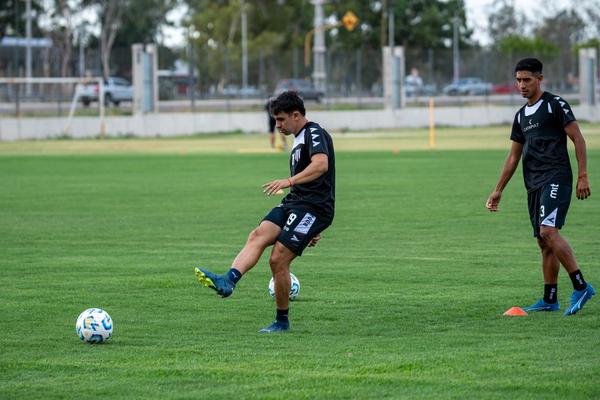
A powerful shot is useful, but power alone does not make a reliable finisher. The best shooters can strike cleanly, place the ball away from the goalkeeper, adjust their body shape quickly, and stay composed when a chance arrives at speed. Effective soccer shooting drills should therefore train technique, movement, decision-making, and pressure rather than simply encourage players to hit ball after ball.
The drills below can be adapted for individuals, small groups, or full teams. Use a regulation goal when possible, although smaller goals or marked target zones can work well. The important part is giving every repetition a clear purpose.
Start With Clean Striking Technique
Before adding defenders or time pressure, make the contact consistent. For a driven shot, plant the non-kicking foot beside the ball, keep the ankle firm, and strike through the centre with the laces. For a placed finish, opening the hip and using the inside of the foot usually gives more control.
A simple warm-up is to place three balls around the edge of the penalty area and shoot each one with a different intention: one low and hard, one placed into a corner, and one controlled first-time finish. Rotate positions so both feet are used. This turns basic striking into a useful soccer shooting exercise because the player must change technique from attempt to attempt.
Build Power From a Moving Ball
Static shooting can improve contact, but match shots rarely come from a perfectly still ball. Set a cone 20 to 25 yards from goal. Dribble toward it, push the ball slightly ahead, then strike before reaching the penalty area. The final touch should create enough room to swing through the ball without stretching.
Once the movement is comfortable, add a chasing defender who starts two or three yards behind. The attacker now has to prepare the ball quickly and shoot before the defender closes the angle. This turns a power drill into a realistic goal scoring drill.
Use Target Zones for Better Accuracy
Shooting accuracy drills work better when players have a specific target rather than being told only to “hit the corners.” Divide the goal into zones using cones or flat markers. Award more points for low shots into the side areas and fewer points for central finishes.
Take five shots with the stronger foot and five with the weaker foot, then record the score. In the next round, require the player to receive a pass before shooting. If a player hits four of ten target zones, aim for six before increasing distance or pressure. Improve quality before increasing difficulty.
Practise First-Time Finishing From Cutbacks
Cutbacks create strong scoring chances because the ball travels away from the goalkeeper and toward an arriving attacker. Place a server near the byline and an attacker around the penalty spot. The server plays a firm pass backward while the attacker times the run and finishes with one touch.
Vary the service so some passes arrive slightly behind the attacker or across the front foot. The shooter must adjust the stride instead of expecting a perfect ball every time. Among finishing drills, this is especially useful because it develops timing, body shape, and quick contact in a realistic area. First-touch drills can also support the control that often creates the shooting chance.
Train a Two-Touch Finish Under Pressure
Set an attacker 18 to 22 yards from goal with a defender starting several yards behind. A coach or teammate passes into the attacker. The first touch must move the ball into shooting space, and the second touch is the finish. The defender begins chasing as soon as the pass is played.
This drill rewards an efficient first touch. If the attacker pushes the ball too far, the defender can recover. If the touch stays under the feet, the shot becomes rushed. Encourage players to scan before the pass arrives so they already know which side gives the clearest route to goal.
Raise the Standard on Weak-Foot Shooting
Weak-foot practice should not become an easier version of normal training. Use the same targets and standards on both sides, but begin close enough to goal for correct technique. Try a three-position circuit with one shot from the left channel, one centrally, and one from the right, all with the weaker foot.
Players should focus on a stable plant foot, a locked ankle, and clean contact before chasing extra power. Ball-control drills can make the weaker side more comfortable before the shooting action begins.
Add Composure With a Decision-Based Finish
Composure improves when players must make a choice. Mark a target area near each corner of the goal. As the attacker approaches the shooting zone, a coach calls “left” or “right,” and the player has to process the cue and finish quickly.
A more game-like version uses a goalkeeper and a three-second shooting limit. The attacker receives near the top of the box and reads the goalkeeper’s position. A controlled finish into a corner may be better than maximum power, especially if the goalkeeper is already moving. Passing drills that end with a third-player run can create similarly realistic finishing situations after combinations.
Progress From Technique to Match Pressure
A balanced session should move from low pressure to high pressure. Begin with clean contact, then add movement, targets, a pass, a defender, or a decision. Do not add every challenge at once. If technique collapses, reduce the difficulty and rebuild the quality of the finish.
For example, a 30-minute block could use five minutes of controlled striking, eight minutes of target finishing, eight minutes of cutbacks or two-touch shots, and nine minutes of competitive finishing against a goalkeeper. Keep the intensity high enough to feel realistic without allowing fatigue to ruin technique.
Frequently Asked Questions
How often should players practise soccer shooting drills?
Two or three focused sessions per week can work well when the overall training load is sensible. Short, high-quality practice is usually more useful than a long session in which technique deteriorates through fatigue.
How many shots should a player take in one session?
There is no single ideal number. The better measure is whether the player can maintain good technique and purposeful finishing. Around 30 to 60 structured attempts can provide useful repetition for many players.
Should young players focus on power or accuracy first?
Accuracy and clean contact should come first. Power develops more effectively when the player can balance correctly, strike through the ball, and control the direction of the shot.
How can finishing under pressure improve?
Add pressure gradually. Begin unopposed, then introduce a time limit, chasing defender, goalkeeper, or decision cue. Players are more likely to stay composed when difficulty increases in manageable steps.
Turn Repetition Into Better Finishing
The best soccer shooting drills teach players when to use power, when to place the ball, how to finish with either foot, and how to stay calm under pressure. Build each drill around a clear objective, track the quality of the attempts, and increase difficulty only when technique remains reliable. Purposeful repetition is what turns training-ground shots into cleaner, quicker finishes in real matches.