

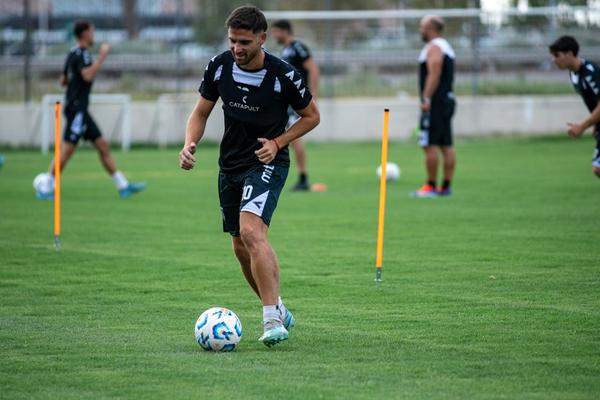
Good dribbling is less about flashy moves and more about keeping the ball close enough to change your mind at the last second. A player who can take short touches in traffic, turn away from pressure, protect the ball, and then accelerate into space is much harder to defend. Effective soccer dribbling drills should therefore train control, balance, awareness, and decision-making together rather than simply asking players to weave through cones at top speed.
You do not need a huge field or complicated equipment. A ball, a few cones, and a small area are enough to build close control and one-on-one confidence. The key is to increase the challenge gradually so players learn when to use small touches, when to turn, and when to push the ball farther ahead.
Start With Close Control Before Adding Speed
Begin by moving the ball with both feet using the inside, outside, and sole. Keep your knees slightly bent so you can change direction quickly. In close control drills, the ball should usually stay within one or two steps. If every touch sends you chasing after it, slow down.
A simple warm-up is a square about four to six yards wide. Dribble freely for 30 to 45 seconds, changing direction every few touches. Alternate feet and occasionally stop the ball with the sole before moving again. As control improves, look up more often instead of staring continuously at the ball.
Use a Tight-Box Drill for Quicker Touches
Set four cones in a square and stay inside the area. Dribble for 30 seconds, rest briefly, then repeat. Give each round a different focus: inside touches, outside touches, both feet, or sole rolls followed by a turn.
This is one of the simplest soccer dribbling exercises, but the limited space punishes heavy touches immediately. To progress it, place one or two extra cones inside the box as obstacles. Do not follow a fixed route. React to the space in front of you and turn when a cone blocks your path.
Practise Direction Changes With Gates
Create several small gates with pairs of cones. Dribble through one gate, turn, then attack another. Use an inside cut, outside cut, pullback, or sole drag. Choose the next gate only after you exit the first one so you have to scan and make a decision.
This feels more game-like than basic cone dribbling drills because every change of direction has a purpose. For an extra challenge, set a 45-second timer and count how many gates you can pass through without losing control. Try to improve the score without letting your touches become sloppy.
Use a Slalom, Then Break the Pattern
Place six cones about one to two yards apart and dribble through them using both feet. Keep your body relaxed and your touches light. On the return, change the pattern by using mostly outside touches or alternating inside and outside touches.
At the final cone, turn left or right, take a stronger touch into space, and accelerate for five to ten yards. This teaches an important habit: close control helps you escape pressure, but once space opens, a longer touch can help you move faster.
Add Shielding and Escape Moves
Dribbling confidence also depends on protecting the ball when a defender gets close. Put a cone behind you to represent pressure. Start with the ball in front, turn your body side-on, and use the foot farthest from the cone to move the ball away. Keep your body between the imaginary defender and the ball, then exit with a sharp change of direction.
Imagine receiving the ball near the touchline with a defender approaching from behind. Rather than sprinting forward immediately, take a short touch across your body, shield briefly, then cut inside when the defender leans toward the line. Repeating that scenario helps connect technique to a situation players regularly face in matches.
Turn Technique Into 1v1 Confidence
Once the ball feels secure, add a defender. Mark a narrow channel about 10 to 15 yards long. The attacker scores by dribbling over the end line under control, while the defender tries to win the ball. Begin with light pressure, then increase the intensity.
Useful 1v1 soccer drills reward timing rather than endless tricks. Encourage the attacker to change speed, shift the defender with the body, and attack the space that opens. One convincing feint followed by acceleration is often more effective than several moves performed without purpose.
If you are training alone, use a cone as the defender. Approach at moderate speed, perform one move, and accelerate past it for several yards. Alternate the side you attack so both feet become useful.
Progress the Drills Without Losing Quality
Progression should come from adding decisions and pressure, not just squeezing the cones closer together. Once a drill becomes comfortable, reduce the space slightly, set a time target, require more use of the weaker foot, or add a passive defender.
A simple 15-minute session might include three minutes of free close control, four minutes of gate turns, four minutes of slalom-to-sprint work, and four minutes of 1v1 or shadow-defender practice. Short blocks make regular training easier. Natural follow-up topics include ball control training, first-touch drills, and attacking movement practice.
Avoid the Mistakes That Slow Improvement
The most common mistake is trying to perform every drill at maximum speed. If the ball is constantly escaping, technique breaks down. Slow the exercise until the touches are clean, then increase pace. Another common error is relying only on the stronger foot, which makes a player easier to read.
Do not keep your eyes down for the entire drill either. Looking at the ball is normal while learning, but gradually add quick glances forward between touches. In matches, effective dribbling depends on seeing defenders, teammates, and open space as well as controlling the ball.
Frequently Asked Questions
How often should I practise soccer dribbling drills?
Three or four short sessions each week can work well if the touches stay focused and controlled. Even 10 to 20 minutes at a time can build consistency when practice is regular.
How many cones do I need?
Four to eight cones are enough for most close control and direction-change drills. Safe household markers can also work if they will not cause injury when stepped on.
Should beginners learn moves or basic touches first?
Beginners should first become comfortable using both feet, stopping the ball, turning, and changing speed. Simple feints and 1v1 moves become easier to use once those basics feel natural.
How can I make cone drills more game-like?
Add choices instead of following one fixed route. Use multiple gates, random direction changes, timed decisions, or a passive defender. The more a player has to observe and react, the more useful the exercise becomes.
Build Confidence Through Better Control
Better dribbling comes from repeated, controlled touches that teach the ball to stay close in tight spaces and move farther ahead when it is time to accelerate. Start with simple patterns, then add turns, scanning, shielding, and pressure. When those elements are trained together, dribbling becomes less about tricks and more about solving problems on the field with confidence.