

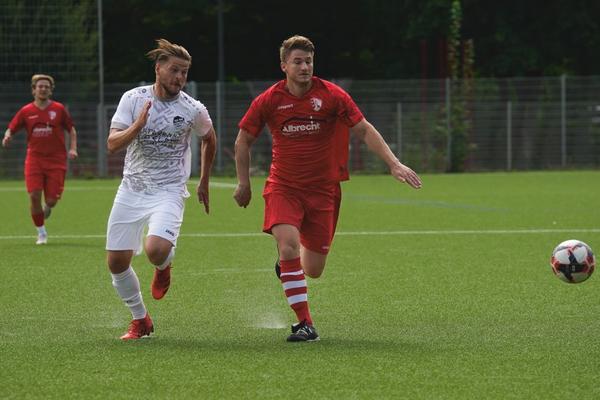
A player receives a pass with a defender closing fast. Should they turn, combine with a teammate, or protect the ball? That choice is difficult to recreate in a line of cones. Soccer small-sided games put it inside a contest, where technique, awareness, defending, and fitness develop together.
Reducing player numbers and adjusting the playing space makes important moments happen more often. The aim is not simply to keep everyone busy. It is to give players repeated chances to recognize a situation, choose a response, and discover what works.
Start With the Decision You Want Players to Make
Before setting out cones, decide what success should look like. If the team struggles to play forward, create forward passing options. If players lose possession after winning it, reward a quick transition into attack. The rules, field, and scoring system should support that goal.
Technical actions have a purpose in these games. A first touch creates space for a pass. A dribble attracts a defender. Communication helps a teammate recognize pressure before receiving. Players also make repeated accelerations, changes of direction, and recovery efforts.
Research suggests that player numbers and field dimensions change the physical demands. Larger areas per player generally encourage more higher-speed running, while tighter spaces create different decisions under pressure. Neither setup is automatically better; choose according to the session objective.
Build a Simple, Flexible Playing Area
Start with cones, small goals or marked end zones, spare balls, and contrasting bibs. A roughly 20-by-25-yard area can be a starting point for 3v3 soccer games; 4v4 may benefit from something closer to 25-by-35 yards. These are examples, not fixed standards. Adjust for age, ability, surface, and available space.
If the ball constantly goes out, widen the field slightly or keep spare balls ready. If players dribble unchallenged, reduce the space or change the defensive task. Observe what the setup makes players do rather than treating measurements as the main objective. Explain each scoring condition briefly so game based training keeps its rhythm.
3v3: Frequent Involvement and Fast Support
With three players per side, nobody can disappear into a distant position. The ball carrier needs immediate support, while teammates decide who offers a short option and who stretches the defense. When possession changes, everyone responds.
Try a Four-Goal Direction Game
Place two small goals across each end line. Teams of three can score in either opposing goal. Play four-minute rounds, separated by recovery and a short coaching discussion. The second target gives attackers a reason to scan and switch direction instead of forcing the ball through traffic.
Imagine two defenders crowding the left goal. The attacking player passes backward, moves sideways, and finds the right goal. Ask afterward, “What told you the other goal was open?” That question reinforces reading space rather than memorizing a pattern.
For beginners, make goals wider and allow unlimited touches. For experienced players, narrow the goals or emphasize regaining shape after losing possession. Change one condition at a time to see its effect.
4v4: More Passing Angles and Team Shape
Four players per team add another relationship around the ball. Players can practice width, depth, third-player support, and coordinated pressure without the complexity of a full match. That makes 4v4 soccer games useful when a group is ready to connect individual decisions into team behavior.
Try an End-Zone Combination Game
Mark a scoring zone behind each end line. A point is earned when a teammate receives a controlled pass inside the attacking zone. This rewards timing and movement rather than hopeful long shots. The receiver should begin outside the zone before moving in, and defenders can challenge fairly.
Watch for shoulder checks, diagonal passing lanes, and switches of play. If attackers keep bunching centrally, widen the area before imposing a strict touch limit. Better spacing may solve the problem more naturally.
Three Small Changes That Transform the Learning
Give the Ball Winner an Immediate Target
After a turnover, allow a quick score in either mini-goal. This encourages the nearest player to attack space and teammates to provide support. Defenders must reorganize instead of stopping when possession is lost.
Change the Space, Not Every Rule
Use a narrower field to increase pressure on receiving and shielding. Add width when the focus is switching play and finding free teammates. Larger spaces can increase running demands, so adjust work periods and recovery accordingly.
Add a Neutral Player When Possession Breaks Down
One neutral player who joins whichever team has possession creates a numerical advantage. This helps developing players find an extra passing option. Rotate the neutral role because its workload can differ from that of regular players.
Fit Small Sided Soccer Drills Into a Session
A practical 45-minute block could begin with five minutes of ball-based movement, followed by twelve minutes of 3v3 in short rounds. After a brief water break, play fifteen minutes of 4v4 with an end-zone objective. Finish with an open game in which players apply their learning without special scoring rules.
Short rounds with rest can maintain sharper decisions than a long game that leaves players exhausted. Adjust duration for age, weather, fitness, and intensity. Small-sided games offer useful conditioning but do not replace every type of speed, strength, or injury-prevention work.
To develop specific skills further, connect these games with first touch drills, passing and moving exercises, and pressing and defending drills. Each offers a natural next step for players who need focused practice beyond the game.
Coach the Game Without Taking It Over
Observe a passage before stopping play. Choose one clear moment, ask a question, and let the next round provide an answer. Instead of shouting “pass,” ask, “Where was your free teammate?” Instead of demanding more effort, ask who should press first after possession is lost.
Rotate teams and roles so confident players do not monopolize the ball. Notice quieter players who make intelligent supporting runs. Praise scanning, recovery runs, and helpful communication alongside goals. These habits help players connect good decisions with team success.
Frequently Asked Questions
What are soccer small-sided games?
They are modified soccer matches with fewer players and generally smaller playing areas. Formats such as 3v3 and 4v4 create frequent opportunities to pass, dribble, defend, move, and make decisions.
Is 3v3 or 4v4 better for young players?
Both are useful. Three-a-side often creates frequent direct involvement, while four-a-side introduces extra support and spacing decisions. Choose based on experience, numbers, and the learning goal rather than assuming one format suits every age.
How long should each game last?
There is no universal duration. Three- to five-minute rounds can be a useful starting point, with recovery adjusted for age, conditions, and intensity. Watch whether players remain engaged and technically sharp.
Can small-sided games improve fitness?
They can provide demanding intermittent exercise through running, accelerations, and changes of direction. Actual workload varies with playing space, rules, and involvement, so monitor fatigue and use other conditioning when needed.
Make Every Touch Mean Something
The best soccer small-sided games connect technique to purpose: a pass solves pressure, a run opens space, and a recovery sprint protects the team. Start with a decision worth learning, design a simple game around it, and let players experience the consequences.