

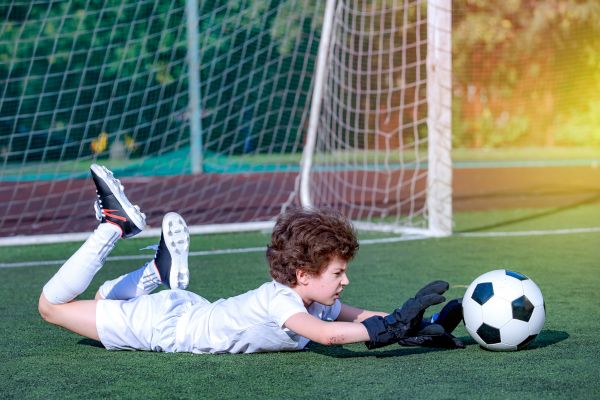
The goalkeeper lives in a different world from every other player on the field. While teammates focus on movement patterns, passing lanes, and attacking space, the keeper must read danger before it fully develops. One moment may pass quietly, then the next demands explosive reaction, courage, and calm decision-making under pressure.
It is one of the most demanding roles in the sport. A striker can miss twice and still become the hero with a late goal. A goalkeeper may perform brilliantly for ninety minutes and still be judged on one mistake. That reality is why training matters so much. Strong habits built in practice become confidence in matches.
Well-designed soccer goalkeeper training drills help develop handling, footwork, positioning, communication, and resilience. They are not just about diving dramatically for photos. Often, the best work happens in smaller, repetitive moments that sharpen instinct.
Why Goalkeeper Training Must Be Specific
General fitness and team sessions are valuable, but goalkeepers need dedicated practice. Their movement patterns are unique. They accelerate laterally, spring upward, drop low quickly, recover to feet fast, and handle the ball with their hands under pressure.
They also carry a tactical responsibility. A goalkeeper must organize defenders, judge crosses, decide when to sweep behind the back line, and distribute accurately to begin attacks.
Because of this, training should blend technique, athleticism, and decision-making rather than treating them as separate worlds.
Footwork Drills Create Better Saves
Many saves begin before the shot is struck. Efficient footwork allows a goalkeeper to arrive balanced and ready instead of reaching awkwardly from poor positions.
A simple cone shuffle drill works well. Set cones in a short line across the goalmouth. Move quickly side to side with small controlled steps, then react to a coach’s signal for a low catch or collapse save.
Another strong option is the set-step reaction drill. Start in motion, then practice planting feet just before the shot. That brief moment of balance often determines whether the dive is powerful or late.
Goalkeepers who move well make difficult saves look easier than they are.
Handling Drills Build Trust in the Hands
Clean handling settles a team. When crosses are caught confidently or shots held instead of spilled, defenders relax and transitions improve.
One useful exercise is rapid-fire catching from short range. Serve balls chest height, waist height, and low in quick sequence while the keeper resets body shape each time.
Another drill uses angled rebounds off a wall or rebound board. The unpredictable return trains soft hands and concentration.
Catching technique matters more than strength alone. Hands should meet the ball, absorb it, and bring it safely into the body when appropriate.
Diving Technique Without Wasted Motion
Young keepers often think diving means throwing themselves theatrically. Effective diving is more controlled than dramatic.
Practice low side dives from a kneeling start first. This removes fear and allows focus on hand shape, shoulder landing, and securing the ball. Progress to standing collapse saves, then full extension dives from movement.
Use soft surfaces when possible, especially for beginners. Confidence grows when the body learns landing mechanics safely.
Many coaches notice the same pattern: once fear decreases, technique improves quickly.
Reaction Drills for Close-Range Saves
Some of the toughest moments happen inside the penalty area where there is little time to think. Reflex saves demand sharp eyes and calm nerves.
A common drill places the goalkeeper several yards from a server who strikes or throws quick shots with minimal backlift. The keeper must react instantly rather than relying on obvious cues.
Deflection drills are also excellent. Use mannequins, cones, or a screen player to block sight lines before the shot appears.
These sessions can be tiring mentally. Short, intense sets often work better than endless repetition.
Crosses and High Ball Confidence
Claiming crosses changes games. It relieves pressure, disrupts opponents, and gives defenders belief.
Serve balls from wide areas with varying pace and trajectory. The goalkeeper must decide whether to catch, punch, or hold position. Add passive attackers later, then realistic traffic once technique is solid.
Timing is everything. Too early and the keeper drifts under the ball. Too late and the crowd arrives first.
Strong communication is part of the drill. A loud clear call often wins space before hands do.
Distribution Drills for Modern Goalkeepers
Today’s goalkeeper is expected to start attacks, not just stop them. Passing range and composure under pressure are now essential.
Practice short passing with both feet under pressing scenarios. Use small targets or defenders closing angles. Then work on driven longer passes to wide channels or midfield zones.
Throwing drills matter too. Sidearm rolls and overarm releases can launch counters quickly.
The best distributors do not simply kick far. They choose wisely.
One-on-One Situations
Facing an attacker alone is a psychological duel as much as a technical one.
Set up breakaway drills starting from different distances and angles. The goalkeeper must judge when to hold ground, when to narrow the angle, and when to spread at the final moment.
Patience is underrated here. Rushing too soon often makes finishing easier.
Good keepers seem large in these moments because their positioning removes visible space.
Communication Drills With Defenders
Goalkeeping is never fully individual. Organization prevents shots before saves are needed.
During small-sided games or defensive shape exercises, require the goalkeeper to lead constantly. Call marks on corners, guide the wall on free kicks, direct the back line higher or deeper.
Some quiet keepers become excellent shot stoppers but limited match controllers. Voice can be trained like any skill.
At first it may feel unnatural. Soon it becomes identity.
Conditioning the Goalkeeper Properly
Goalkeeper fitness differs from outfield endurance demands. Explosive power, repeat efforts, core control, and agility are priorities.
Use short sprint-recover sequences, lateral movement circuits, jump-and-save combinations, and medicine ball core work when appropriate.
Conditioning should reflect the position. Endless long-distance running rarely mirrors match demands for keepers.
Sharpness matters more than mileage.
Mental Training Often Separates Good From Great
A goalkeeper must recover quickly from mistakes. Dwelling on one error can create the next.
Include pressure scenarios in practice. Penalty competitions, late-game defending drills, and consequence-based games teach emotional control.
Breathing routines between reps can help reset focus. So can simple habits: next action thinking, positive cues, clear body language.
Every goalkeeper gets beaten. Strong ones respond immediately.
Structuring Weekly Soccer Goalkeeper Training Drills
A balanced week might include one technical handling session, one footwork and reaction day, one distribution-focused session, and integrated team work with match scenarios.
Quality beats quantity. Tired sloppy reps can hardwire poor habits.
For younger keepers especially, variety keeps learning enjoyable while still purposeful.
Conclusion
The position asks for bravery, patience, concentration, and precision in equal measure. Great goalkeeping rarely comes from talent alone. It is built through repetition, reflection, and intelligent practice.
The most effective soccer goalkeeper training drills develop far more than saves. They sharpen movement, decision-making, communication, and composure under pressure. Over time, these small practiced moments become match-winning instincts. And for a goalkeeper, instinct built on hard work is one of the game’s most valuable strengths.