

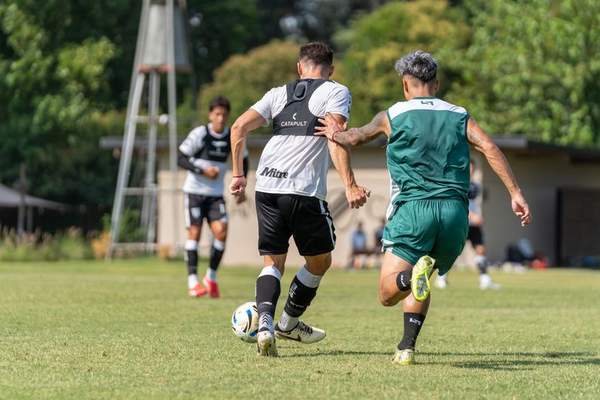
Soccer conditioning is not simply about running farther. A midfielder may jog into space, accelerate to press, brake sharply, then sprint back after possession changes—all within seconds. Effective soccer conditioning drills prepare players for that changing rhythm while leaving enough energy to pass, scan and make decisions late in a match. Coaches can build those qualities without turning every practice into a fitness test.
Train the Demands of the Game
Match fitness has several parts. Aerobic conditioning supports movement between intense actions and helps players recover between efforts. Repeated sprint training develops the ability to accelerate hard again after incomplete rest. Changes of direction challenge braking, balance and reacceleration. None of these qualities is perfectly replaced by a long, steady run.
Choose a drill by the problem you see on the pitch. Players who fade during sustained pressure need a different emphasis from players who can run all game but lose speed after several defensive recoveries. Start sessions with a progressive warm-up that includes mobility, easy running, accelerations and controlled turns.
Soccer Conditioning Drills That Transfer to Matches
Small-Sided Games for Continuous Work Rate
Set up a four-versus-four game on a roughly 25-by-35-metre area, adjusting the space for age and skill level. Play four rounds of three minutes, with two minutes of walking or light passing between rounds. Encourage immediate pressure when possession is lost and quick support runs when it is won.
This is one of the most practical soccer fitness drills because the ball keeps players engaged while they accelerate, decelerate and solve tactical problems. Watch participation rather than the score alone. A player who repeatedly hides behind teammates may receive much less conditioning work. Small-sided games also do not guarantee exposure to maximum-speed running.
Repeated 20-Metre Sprints for Recovery Between Bursts
Place cones 20 metres apart. After a thorough warm-up, players sprint the distance, then walk back and rest until roughly 25 to 30 seconds have passed from the start of that repetition. Complete six sprints, recover for three minutes, and consider a second set if technique and speed remain strong. Start with one set for less-conditioned players.
The goal is to repeat fast, clean accelerations rather than survive increasingly slow runs. If times deteriorate noticeably or players begin reaching and stumbling, stop the set. Repeated sprint training can improve sprint-related qualities, but it should complement—not replace—work aimed specifically at aerobic endurance.
Fifteen-Second Intervals for Aerobic Conditioning
Mark a straight running lane or a gentle loop. Players alternate 15 seconds of strong, controlled running with 15 seconds of easy jogging for six minutes. Rest or walk for two minutes, then repeat once. The hard sections should be demanding but sustainable, not all-out sprints. Reduce the number of cycles for beginners.
This straightforward endurance drill is useful when a coach wants a more consistent running dose than a game can provide. Keep turns wide rather than forcing a sharp stop every 15 seconds; the main target here is aerobic work, not braking fatigue.
Transition Waves for Match-Specific Running
Use a 35-by-25-metre area with goals at both ends. Three attackers face two defenders. Once the attack ends, two players from the defending group move forward with a new teammate, creating the next wave in the opposite direction. Rotate players frequently so everyone experiences defending, recovering and joining attacks.
Try three rounds of four minutes with two minutes of recovery. The coach can add a five-second counterpressing rule to encourage an immediate reaction after losing the ball. This drill links conditioning to the decision that triggers a run, making it useful for teams struggling with late-game transitions.
Short Shuttles for Braking and Reacceleration
Place cones 10 metres apart. For 15 seconds, players shuttle between them at a controlled, challenging pace, planting and turning without sliding or twisting awkwardly. Follow with 45 seconds of walking. Start with four to six repetitions. Quality matters more than covering an extra length while exhausted.
Shuttles add change-of-direction demands that straight-line intervals miss. They also create substantial leg loading, so avoid stacking them immediately after hard sprints or demanding cutting games.
Fit Conditioning Around the Weekly Match
For an amateur team playing on Saturday, a possible pattern is a lighter recovery or technical session on Monday, a demanding small-sided game with limited sprint work on Tuesday, and a moderate aerobic interval block on Wednesday if players are recovering well. Thursday can prioritize tactical rehearsal and brief, high-quality accelerations; Friday should generally be light. This is a flexible example, not a universal prescription.
Count intense drills already hidden inside tactical practice. A fierce pressing game can be a major physical session even if nobody calls it conditioning. Avoid adding hard intervals afterward merely to fill a fitness quota. Match minutes, training age, previous injuries and the next fixture should guide each player’s load. A substitute who played ten minutes may need a different top-up than a starter who completed the match. Occasionally include longer, fully recovered fast runs: tight games rarely provide maximum-speed exposure.
Progress Without Just Adding More Running
Use simple measures: whether sprint times remain consistent, whether players maintain their work rate across game rounds, and how hard the session felt on a one-to-ten effort scale. Ask about soreness and unusual fatigue at the next practice. Improvement might mean cleaner movements at the same workload, not only faster times.
Progress one variable at a time: an extra interval, slightly longer playing rounds or a more demanding tactical rule. Do not simultaneously shorten rest, enlarge the pitch and add repetitions. Rotate harder and easier days, provide water breaks, and adapt sessions for heat, illness or return from injury. Players coming back from injury need an individualized progression.
Useful next steps for coaches include a progressive soccer warm-up routine, a soccer speed and agility training plan, and a weekly soccer practice schedule. Together, these help balance technical work, fitness and recovery.
Frequently Asked Questions
How often should soccer players do conditioning drills?
It depends on the season, existing training and match demands. For many recreational squads, one or two focused conditioning exposures within normal practices may be sufficient. Count intense games and match play before adding more work.
Are small-sided games better than running intervals?
Neither is automatically better. Small-sided games integrate decisions and ball skills, while intervals offer more control over distance, pace and recovery. Combining them strategically can cover gaps that either method leaves.
Will long-distance running improve soccer endurance?
Easy continuous running can contribute to an aerobic base, especially when rebuilding general fitness. It does not fully prepare players for repeated accelerations, high-speed running and changes of direction during a match.
What is the best conditioning drill for beginners?
Start with short, manageable small-sided games or controlled run-jog intervals. Build consistency first, then introduce a modest amount of repeated sprint work as movement quality and recovery improve.
Build Fitness That Shows Up on the Pitch
The best conditioning plan is not the one that leaves everyone exhausted. It is the one that helps players keep moving intelligently, sprint decisively and execute skills when the match becomes demanding. Select drills for a specific physical need, protect recovery, and let the quality of football actions show whether the plan is working.