

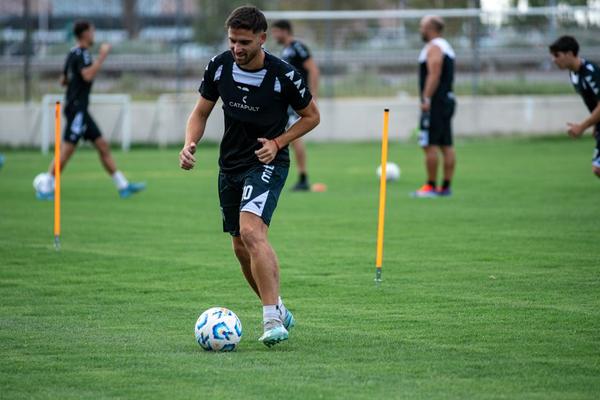
A player receives the ball with a defender charging toward them. The return pass is blocked, another teammate has moved sideways, and the decision must happen before the first touch. Soccer rondo drills recreate that moment repeatedly. Far more than passing circles, they teach players to notice pressure, offer support, and keep possession when the obvious option disappears.
What Makes a Rondo Useful?
In a rondo, a group tries to keep the ball while fewer opponents defend inside a marked area. The attackers have a numerical advantage, but limited space makes accuracy and quick decisions essential. A good rondo brings passing, awareness, first touch, support angles, and press resistance into one exercise.
Success should not mean reaching a huge passing count. Look for players checking their shoulders before receiving, adjusting their positions after passing, and choosing the safe or progressive option according to the defenders’ movements.
How to Run a 4v2 Rondo
For a basic 4v2 rondo, mark a square approximately 10 by 10 yards. Position four attackers around the outside and two defenders inside. Keep spare balls close so play restarts quickly. Increase the area for less experienced groups or reduce it when the attackers can retain possession too easily.
The attackers pass and adjust their positions to avoid interceptions. The two defenders work together: one closes the player with the ball while the other blocks a passing lane. Allow unlimited touches at first if necessary, progressing to two touches only when players can receive and pass with control.
Rotate defenders after short rounds or a clear winning condition, so everyone practices both roles. Keep rounds energetic, with brief breaks for feedback. If the ball is lost immediately every time, the problem may be excessive pressure or a cramped grid rather than a lack of effort.
The First Coaching Challenge
Ask the receiving player to open their body and identify two possible passing options before the ball arrives. Encourage crisp, accurately weighted passes and a first touch that prepares the next action. A pass between both defenders is valuable when the lane exists, but forcing it repeatedly defeats the purpose.
Make Scanning Part of the Game
The most effective scanning drills connect looking with choosing. While the ball travels, a receiver can glance over a shoulder to locate defenders and teammates. That brief look helps them decide whether to return the pass, switch the point of attack, or receive across their body.
Try occasionally asking a player which defender was closer before they received. Do not interrupt every possession to test them. The aim is useful information gathering, not exaggerated head movements. When players stand side-on rather than square to the passer, they can often see more of the grid.
Coach the First Touch Away From Pressure
Picture the ball traveling from the left corner to the top of the square. Both defenders have shifted left. A receiver who scanned early may take a controlled touch slightly right, opening a lane to the far corner. It is a tiny movement, but it changes the next pass completely.
Encourage players to receive toward space when appropriate, protect the ball when the defender is tight, and avoid taking the same touch automatically. If the technical foundation is missing, use a few minutes of first touch soccer drills before returning to the opposed exercise.
Support Angles Matter More Than Constant Movement
Players without the ball must create clear passing lanes. A teammate standing directly behind a defender is effectively unavailable. A small sideways movement may offer a passing angle, while dropping a step can give the ball carrier a safe option when pressure increases.
Freeze a sequence after a turnover and ask which teammate could have offered a better outlet. Often the solution is a movement of one or two yards, not a long run. That idea also belongs in team passing drills, where players can practice creating triangles before adding defenders.
Four Rondo Variations to Try
3v1 for Newer Players
Arrange three attackers around a triangle with one defender inside. Players learn to adjust their angles and decide when to pass immediately or use another touch. Give them enough space to succeed without removing the defender’s influence.
4v2 for Reading Combined Pressure
Use the classic square, but coach the defenders to press together rather than chase separately. Attackers must recognize the covered lane and find the alternative. This turns passing under pressure into a shared problem-solving task.
5v2 for Movement After the Pass
Add a fifth possession player who continually offers another angle. Encourage players to find a useful position after releasing the ball instead of watching the next pass. Keep the space tight enough that defenders can still challenge possession.
Directional Rondo for Match Transfer
Place two small exit gates on opposite sides. After a short passing sequence, attackers can score by playing through an available gate to a teammate. The group must move defenders away from its intended destination before playing forward.
Avoid the Mistakes That Limit Learning
One-touch restrictions are not automatically better. Introduced too early, they can produce hurried passes, hidden players, and repeated turnovers. Start with enough touches for clear decisions, then add constraints when the group is ready.
Connect the Rondo to a Match Situation
Imagine a midfielder receiving near the touchline with an opponent closing. One teammate drops behind the ball, while another moves into a forward passing lane. The receiver checks both options before controlling the pass. This is the same decision trained in a rondo, now with a direction and a larger playing area.
Follow the rondo with small-sided possession games and ask players to recognize that support triangle during open play. Assess more than passing totals: are players scanning sooner, offering multiple options, and escaping pressure without simply kicking the ball away?
Frequently Asked Questions
Which rondo is best for beginners?
A spacious 3v1 is a useful start because it creates real opposition without overwhelming new players. Progress to 4v2 once movement and basic passing become more reliable.
How long should a rondo session last?
Several short rounds with quick coaching breaks usually maintain better intensity than one long, exhausting game. Adjust the total time to player age, ability, and session objectives.
Should players always use two touches?
No. Unlimited touches help some groups learn, while a two-touch limit challenges others. Choose the rule that improves decisions and control rather than merely increasing turnovers.
Can rondos improve match performance?
They rehearse scanning, receiving, support, and quick passing, but those habits need reinforcement in directional practices and realistic small-sided games to transfer consistently.
Make Every Pass Solve a Problem
The best soccer rondo drills teach players to think before receiving and move again after passing. Begin with a manageable setup, coach one behavior at a time, and gradually add pressure or a destination. When teammates start creating passing angles and receiving with a plan, the exercise is building more than speed: it is building a team that can play through pressure together.